Thailand Wilderness Foraging Guide: Rare Jungle Superfoods
Why Forage?
For millennia, the dense jungles of Southeast Asia have served as the original pharmacy and pantry for the region’s indigenous people. The rich history of wilderness foraging in Thailand demonstrates an intimate dialogue with the earth—a deep-rooted knowledge of seasonal rhythms, soil health, and the medicinal properties of fragrant herbs that you can directly engage with.
Today, as modern life becomes increasingly digitized and disconnected, mindful travelers are rediscovering their connection to ancient woods with the help of local guides seeking to restore balance with the earth and their own bodies.
Engaging in wilderness foraging is a profound act of well-being and one of the most effective methods of digital detox.
It is a sensory, somatic experience: the scent of crushed wild ginger, the sound of prawns leaping across streams, and the visual hunt for the perfect fern. This forest-to-table journey allows the body to re-calibrate, moving from the stress of the city to the restorative peace of the wild, fostering a sense of groundedness and natural longevity.
5 Rare Superfoods of Northern Thailand:
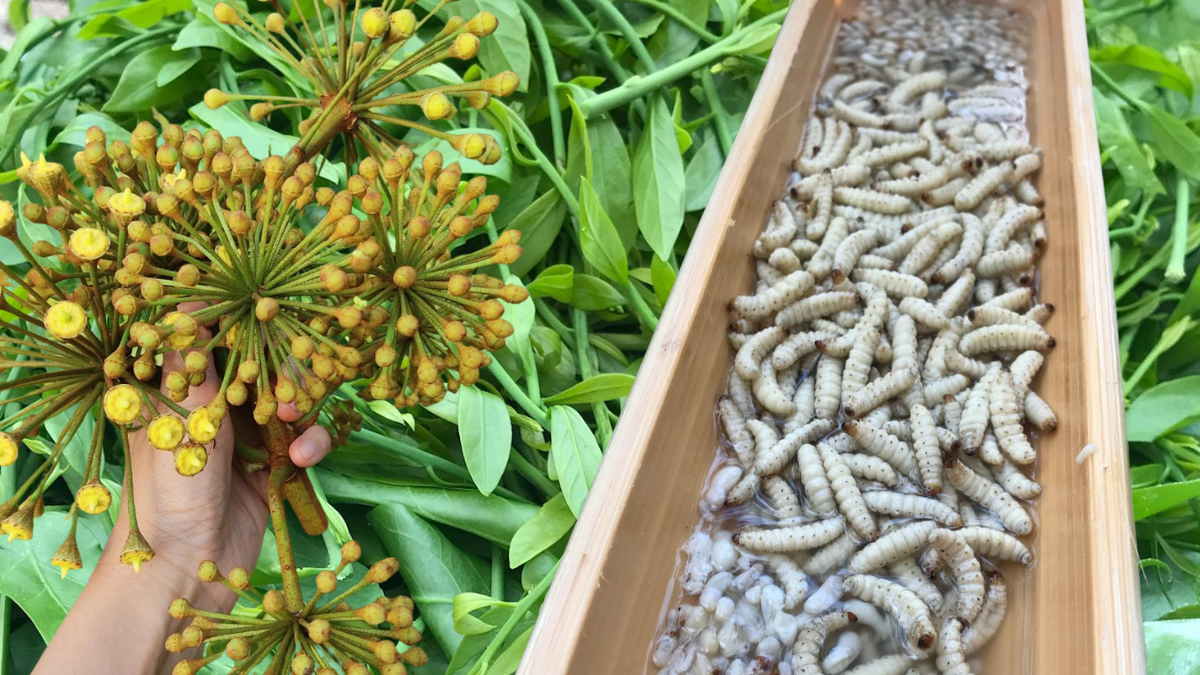
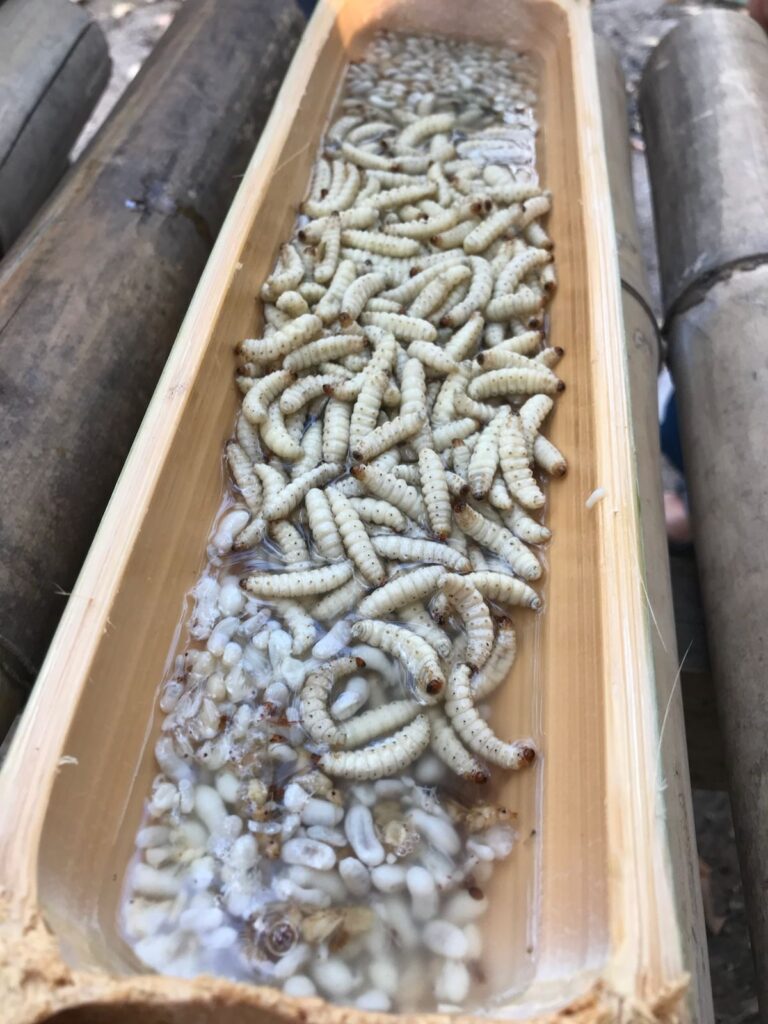
1. Bamboo Worm (หนอนไม้ไผ่)
Bamboo worms are a nutrient dense powerhouse, providing high-quality protein and healthy fats including omega-3s and omega-6s. Traditionally, these larvae are foraged from bamboo stalks, where they are typically deep-fried and seasoned as a crunchy, nutty-flavored snack known as “rot duan.” Beyond their culinary appeal, they serve as a vital source of minerals like calcium and iron for rural communities, offering a sustainable alternative to conventional livestock.
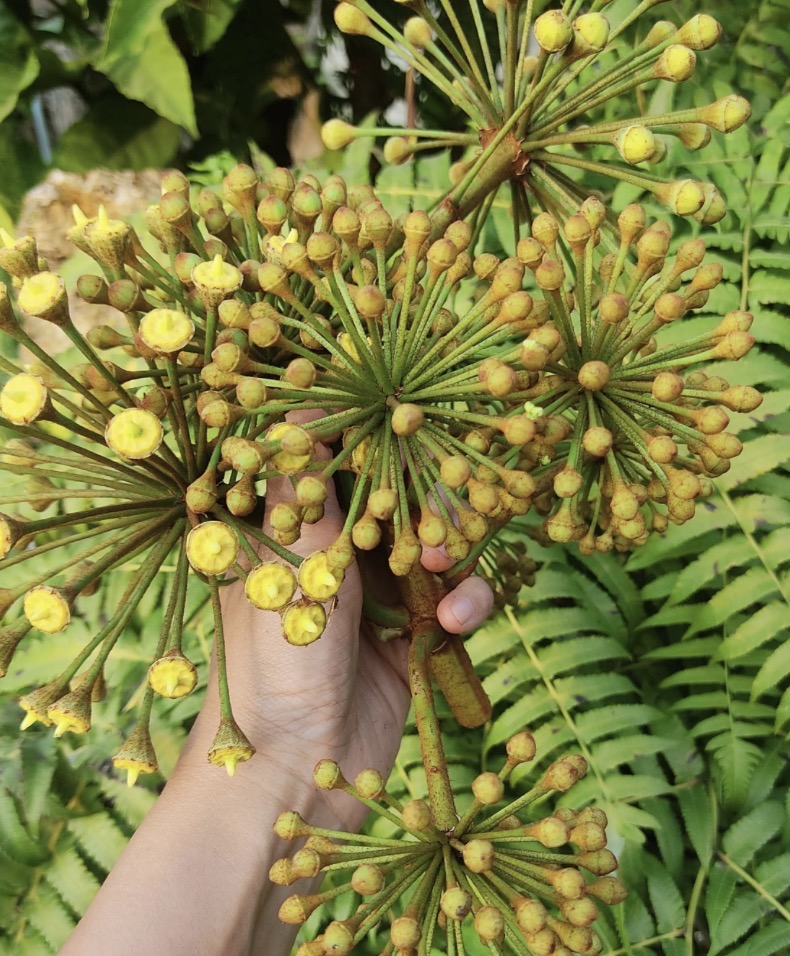
2. Dok Tang (ดอกต้าง)
Commonly known in English as Snowflake tree (trevesia palmata), this is a rare seasonal delicacy primarily foraged from the mountainous forests of Northern Thailand. Traditionally, these flowers are used in ancient recipes such as Gaeng Dok Tang – a savory and often spicy curry. Dok Tang is valued in Thai medicine for its bio-active properties, including anti-inflammatory benefits and traditional uses as a treatment for diabetes or to aid wound healing.
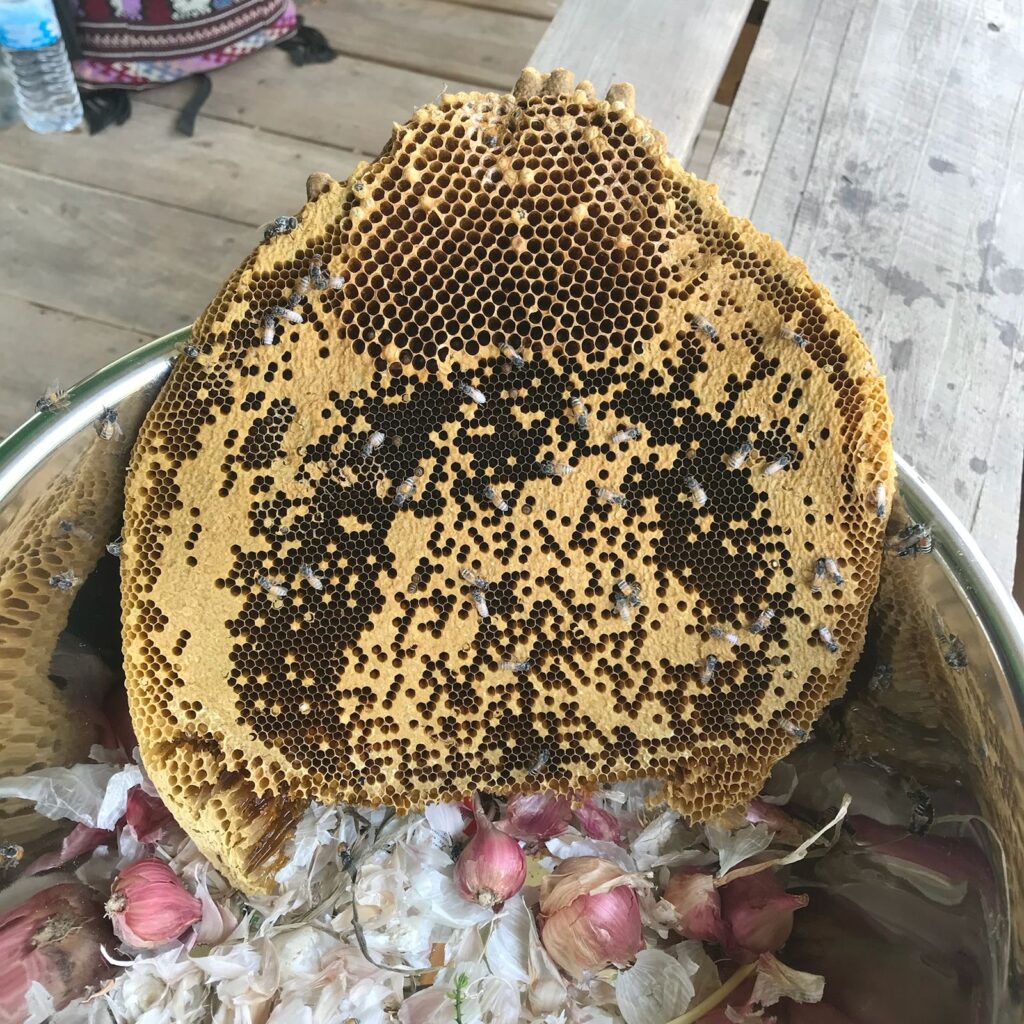
3. Fresh Forest Honey (น้ำผึ้ง)
Wild foraged honey from Nan is a medicinal superfood containing high levels of antioxidants and minerals such as potassium and iron. Traditionally harvested by hand from tall jungle trees during the dry season, it is a rare delicacy used both as a natural preservative in local cuisine and a primary remedy for coughs and skin ailments.
4. Phak Hwan Pa (ผักหวานป่า)
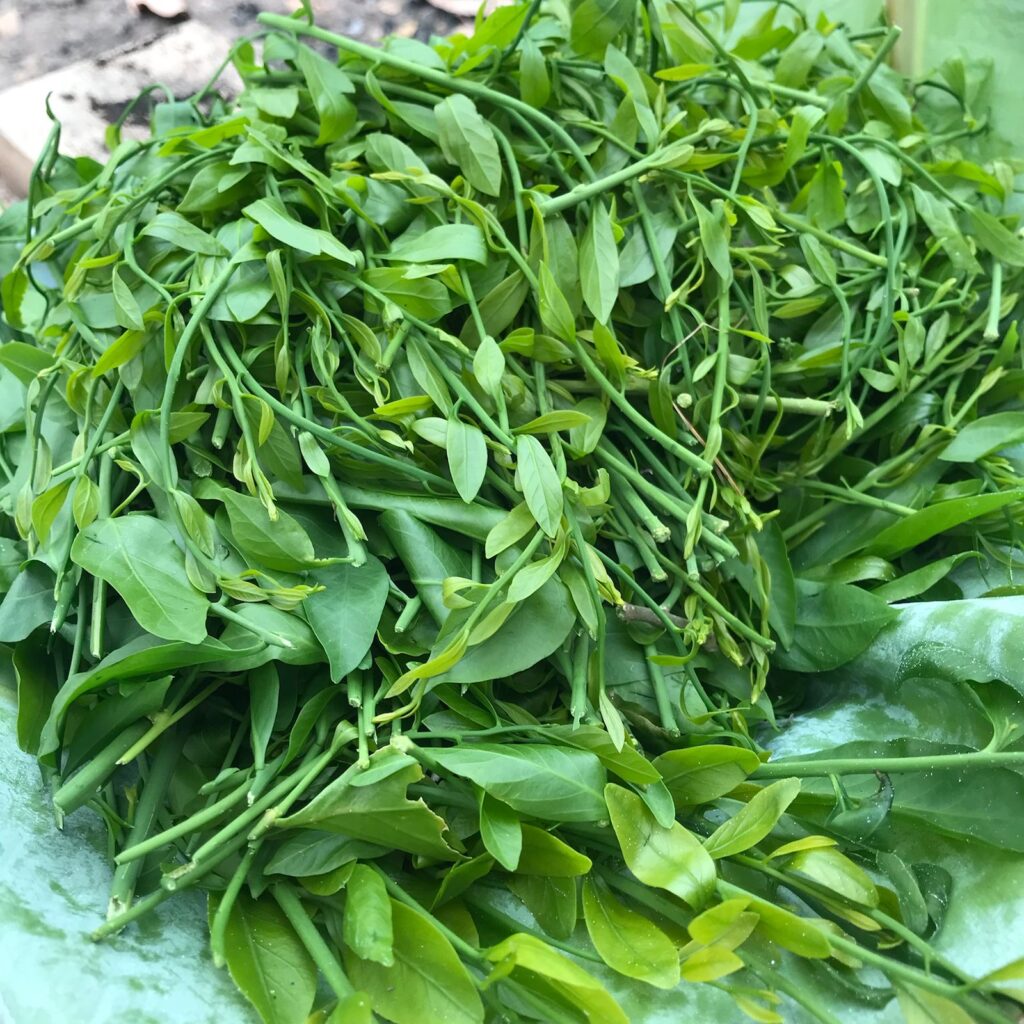
Phak Hwan Pa is one of Thailand’s most beloved and expensive wild vegetables, prized for it’s naturally delicate and sugary undertones. A seasonal superfood rich in Vitamin C, Beta-carotene, and calcium, Phak Hwan Pa is traditionally used in Thai medicine to cool the body and reduce fever. It is mostly foraged in the dry season to create the iconic Lanna delicacy Kaeng Phak Hwan Pa with ant eggs.
5. Red Ant Egg (ไข่มดแดง)
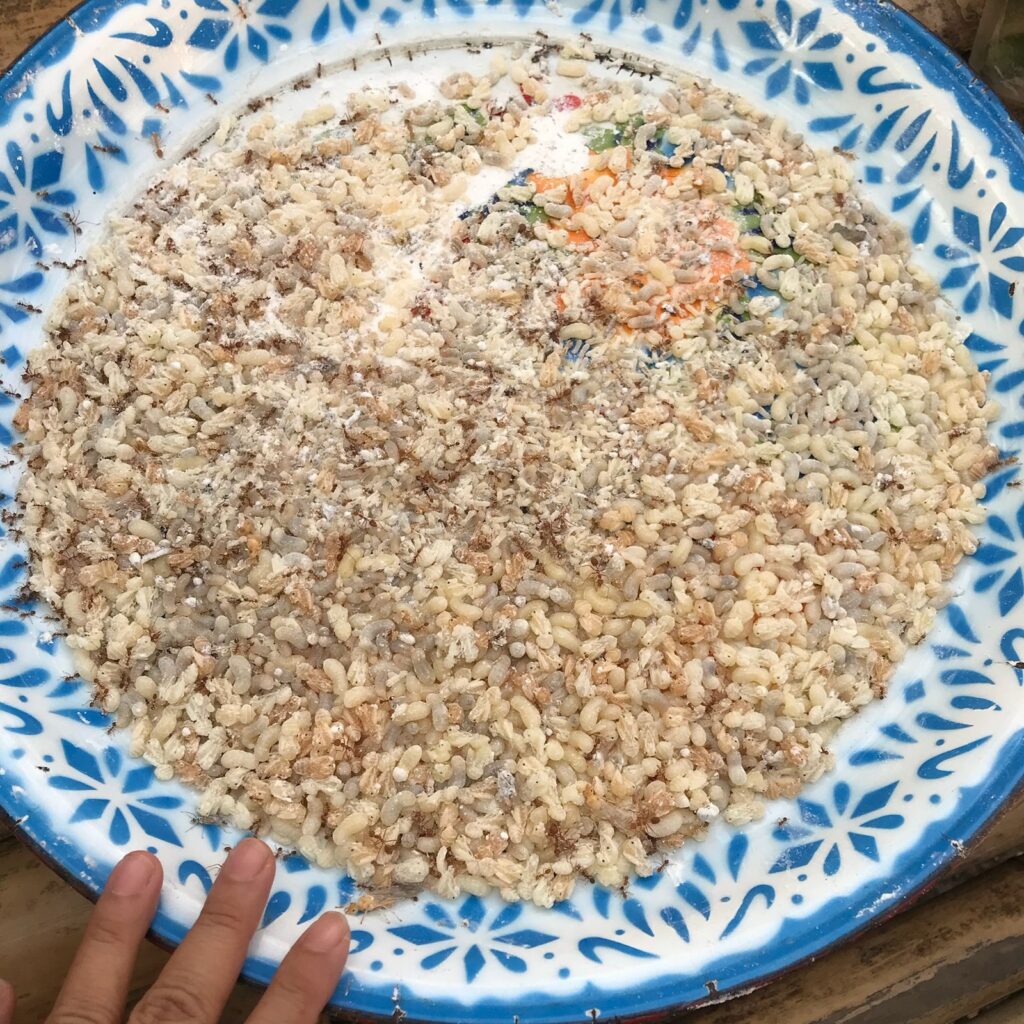
Red Ant Eggs are often referred to as the ‘caviar of the forest’ due to their creamy texture and high market value. Offering a low-fat, high-protein alternative to meat, red ant eggs are packed with iron and B-vitamins. Traditionally hand-foraged from treetops during the dry season, they are a luxury ingredient in Northern and Northeastern Thai cuisines, celebrated for their acidic ‘pop’ in salads and savory curries.
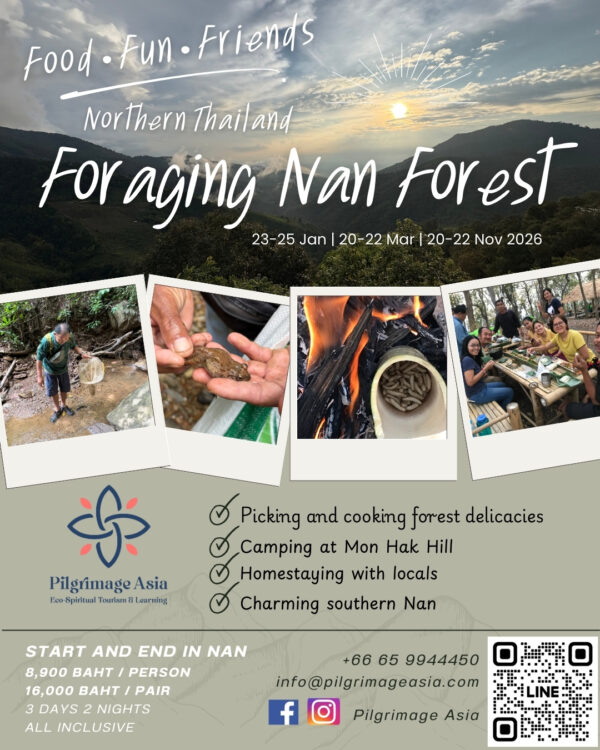
Forage with us in Northern Thailand: Pack Only Rice!
Are you ready to swap the grocery aisle for the forest floor and rediscover your ancestral rhythm? Pilgrimage Asia’s 3-day eco-learning journey explores the forests, culture, and community life of Southern Nan – just pack rice!
Foraging in Nan is as much about the spirit as it is about the stomach.
As you walk the trails near Doi Samer Dao, your local village hosts share stories of seasonal ecology—teaching you not just what to eat, but how to listen to the forest. This is community-managed tourism that prioritizes the health of the land as much as the traveler.